
How Professional Pest Control Services Remove Wasp Nests and Prevent Reinfestation
How Professional Pest Control Services Remove Wasp Nests and Prevent Reinfestation
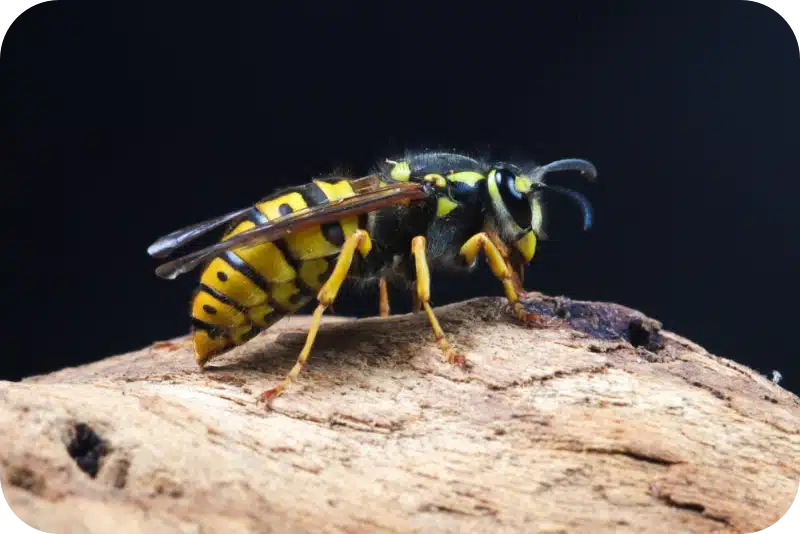
Reliance on aerosol based deterrents as a standalone solution is not appropriate. These products address observable activity without eliminating the source of infestation.
Rodents adapt to environmental changes and may avoid treated areas for a limited period. Reduced sightings may be followed by redistribution within the structure. Movement to alternate areas complicates tracking and delays corrective action.
Application in occupied spaces introduces additional risk. Use near food storage or in high traffic zones may create unnecessary exposure concerns for residents and pets. Compliance with label directions is mandatory to maintain safety standards. Surface treatments may displace rodents without resolving nesting sites.
Active harborages within walls, ceilings, or basements require direct intervention. Effective control involves exclusion, structural sealing, and professionally managed bait systems. Surface applications do not penetrate concealed nesting areas.
Aerosol deterrents may support a comprehensive plan. They do not provide long term resolution when used independently and may postpone necessary exclusion and removal measures.
Can Pest Control Get Rid of Wasps?
Aerosol based deterrents are not suitable as a standalone solution. These products reduce visible activity but do not eliminate the source of infestation.
Rodents adjust to environmental changes and may avoid treated surfaces for a brief period. Reduced sightings may precede movement to other areas within the structure. Redistribution complicates monitoring and delays resolution.
Use in occupied areas presents additional risk. Application near food storage or in high traffic spaces increases the potential for unnecessary exposure to residents and pets. Adherence to label instructions is required to maintain safety. Surface treatments may disturb rodents without eliminating nesting sites.
Harborage within walls, ceilings, or basements requires direct corrective measures. Effective control depends on exclusion, structural repair, and managed bait systems. Surface applications do not reach concealed nesting areas.
Aerosol deterrents may function as a supporting measure within a structured control program. Used alone, they do not provide sustained resolution and may delay essential exclusion and removal efforts.
How Technicians Locate and Remove Wasp Nests
Nest location begins with a systematic inspection of eaves, soffits, sheds, and undisturbed exterior areas. Professional wasp exterminators observe flight paths and trace insect movement from feeding sites back to the source. This process requires patience and precision. In concealed cases, optical tools or thermal devices may be used to identify colonies within siding or wall voids.
Treatment strategy depends on species and nest placement. Ground nests require a different method than suspended structures. Timing is critical. Service is commonly scheduled during early morning or late evening when insect activity is reduced and the colony is contained within the nest.
Common Removal Steps
Technicians wear full protective equipment, including body covering and facial protection.
A targeted product is applied at the primary entry point to ensure contact within the nest. The objective is to affect the reproductive core of the colony.
Activity declines shortly after application. Complete colony collapse may require one to two days.
When accessible, the inactive nest structure is removed. Openings such as cracks, vents, and structural gaps are sealed to prevent reestablishment. The objective extends beyond eliminating the existing colony. Long term prevention requires corrective measures to deter future nesting in the same location. Distinctions between routine pest control and extermination depend on scope, method, and species involved.
Additional Considerations
When a nest is located near a kitchen or food preparation area, post treatment safety must be addressed. Food contact surfaces should be assessed, and clearance guidelines provided before normal cooking resumes.
In smaller communities, timely response and familiarity with local pest patterns influence outcomes. Engagement with a regional provider can improve coordination and follow up efficiency.
Where multiple pest issues exist, integrated service is recommended. Concurrent rodent activity, such as in garages or storage areas, should be managed alongside nest removal to ensure comprehensive control.
How Professional Pest Control Eliminates Wasps Without Harming the Environment
Avoid chemical sprays where possible. Eliminate attractants such as exposed food, sweet beverages, structural gaps, and sheltered areas beneath eaves. Proactive exterior maintenance reduces nesting pressure without toxic agents.
When nests are active, limited impact methods may be considered. A soap and water solution applied directly to the nest disrupts the insect exoskeleton and causes mortality. Application requires distance, protective measures, and caution, particularly where allergy risk exists.
Traps using sugar solutions or apple cider vinegar may capture individual insects. These devices assist with minor activity but do not eliminate established colonies. Effectiveness declines as colony size increases.
After nest removal, all entry points must be sealed. Unresolved openings allow recolonization. Structural inspection and corrective sealing are essential to prevent recurrence.
In properties bordering natural or wooded areas, low toxicity dust formulations such as diatomaceous earth may be applied. These materials act through desiccation and require proper placement and maintenance.
Non chemical methods have limitations. Established or expanding colonies may require professional intervention. Integrated management is recommended where multiple pest species are present.
When to Call Pest Control Instead of Handling a Wasp Problem Yourself
When a nest forms near high traffic areas such as doorways, decks, or rooflines, professional intervention is required. Even small structures may contain a significant number of defensive insects. Attempting removal without proper equipment and training presents avoidable risk.
Stings carry the potential for severe allergic reaction. Individuals with a history of venom sensitivity face elevated medical risk from a single exposure. Uncertainty regarding allergy status warrants caution and avoidance of direct contact.
Nests located within walls, attics, or sheds present additional complexity. Concealed colonies may remain undetected until activity increases. Audible buzzing or visible insects near vents can indicate internal nesting. Surface sprays and consumer products do not penetrate structural voids. Unauthorized intrusion into building materials may intensify the situation.
Elevated nests introduce fall hazards. Work conducted from ladders near active colonies increases the likelihood of injury. Professional technicians utilize extension equipment and specialized protective clothing to manage these conditions safely.
If prior treatment has not reduced activity within several days, reassessment is necessary. Persistent or escalating activity indicates incomplete elimination. Advanced methods and structured application are required to resolve established colonies effectively.
FAQ
How do specialists typically approach wasp nest removal safely?
Experts usually start by locating the nest and assessing its size and activity level. They then apply targeted treatments that minimize risks to people nearby. Protective gear and proper timing—often during cooler hours when wasps are less active—are part of the process to avoid stings and ensure thorough elimination.
Are home remedies reliable for dealing with wasp infestations?
Some DIY solutions, like soapy water sprays, may temporarily deter wasps or disrupt small nests. However, these methods rarely remove the entire colony, especially if the nest is large or hidden. For long-lasting results and safety, specialized approaches tend to be more dependable.
What signs indicate it’s time to seek expert assistance for wasp issues?
Frequent wasp sightings near your living spaces, visible nests in hard-to-reach areas, or allergic reactions to stings are strong indicators. Also, if previous attempts to handle the problem haven’t reduced the population, contacting skilled technicians can prevent escalation and hazards.
Do treatments used against wasps affect other beneficial insects in the area?
Treatments aimed at wasp nests are often designed to limit impact beyond the target species. Technicians may choose application methods and products that reduce harm to pollinators like bees. Still, some collateral effects can happen, so care in timing and product selection is important to protect the surrounding environment.
How long does it usually take for wasp numbers to drop after professional intervention?
Reduction in wasp activity can often be noticed within a day or two after treatment, but complete disappearance might take several days as remaining wasps die off or abandon the area. Follow-up visits or inspections might be necessary to ensure the problem is fully resolved.
Pest control: get local help
The Pest Control Guy handles pest control and related problems across Calgary, Airdrie and the surrounding communities. Licensed technicians, prevention-first treatment and free estimates.
- All Calgary pest control services
- Book an inspection or free estimate
- More pest control advice on the blog
For background on pesticide safety and integrated pest management, see the Government of Canada pest management guide.